Some Key Lessons from 4 years of Co-Leading a Postgraduate Placement Trip to South Africa
Some coaching-informed lessons from the last 4 years
12/2/20252 min read
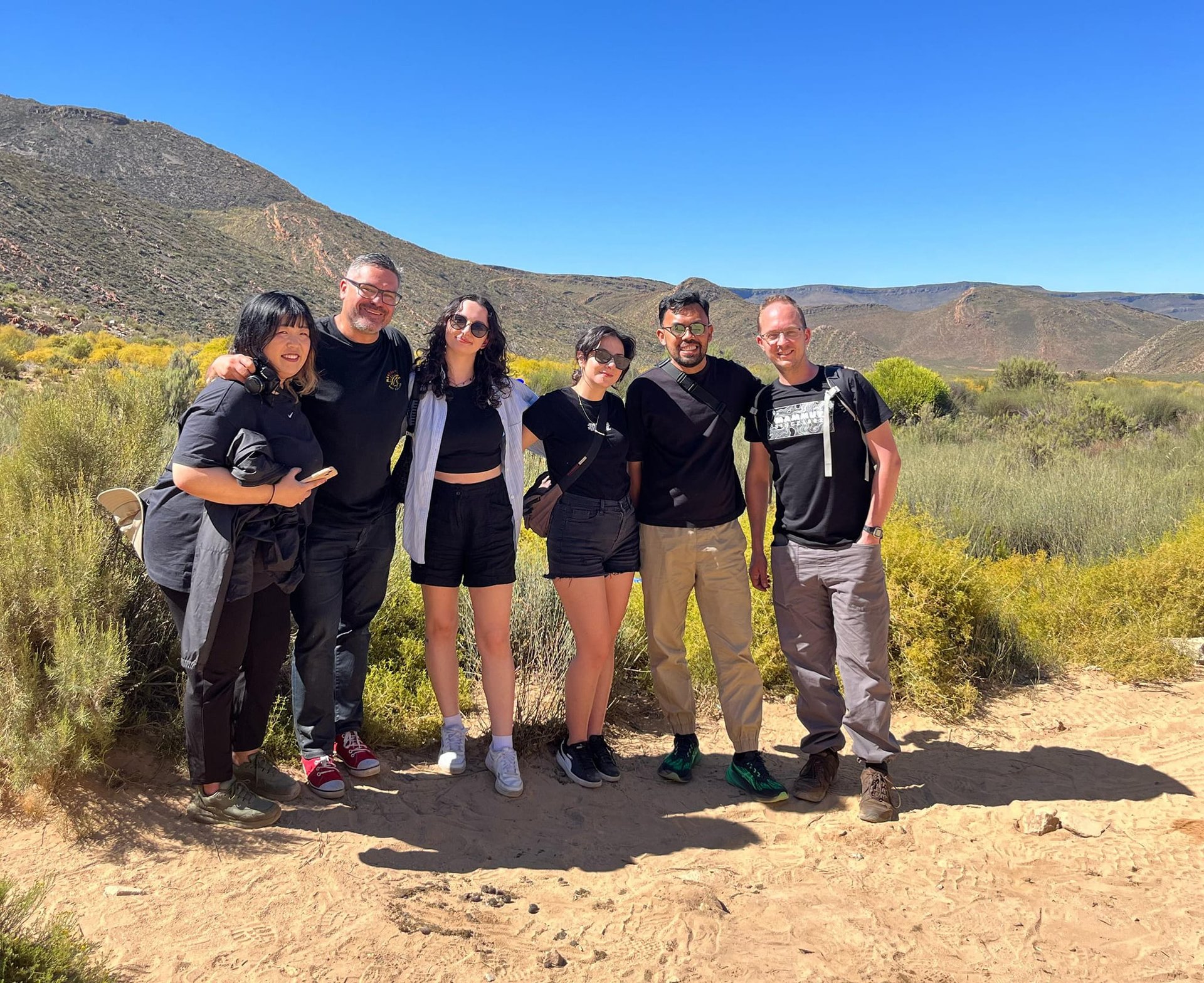
I'm nearing the end of a busy two-week trip in South Africa, co-leading an organisational placement trip with masters’ students on York’s human rights and peace and conflict studies programmes. Student teams are placed with different organisational partners and complete a unique piece of research.
As co-leads and supervisors, our default is often to advise and prescribe. But the best outcomes emerge when we master the balance between direction and facilitation. Here are my key lessons on co-leading student teams over the last 4 years which draw on coaching mindsets and techniques:
✅Embrace resourcefulness: While every student is different (background experience, skills, and dispositions), each is uniquely resourceful. The co-leads must trust this resourcefulness and support the students to harness it: it’s key to unlocking their full potential to independently plan their fieldwork, problem-solve, and achieve success
✅Start at the end: At the beginning of the trip encourage the group to envision what a successful placement trip looks like and how they'll feel when the project reaches a successful conclusion. Doing this at the beginning focuses their attention on the placement goal and on a picture they want to work towards
✅Co-create expectations: Don't just set expectations for the students. Invite them to collectively share what they expect from you and collectively agree on the expectations you have of one another. This fosters shared ownership and accountability.
✅Master the balance between direction and facilitation: In general, academic supervisors find it hard to move beyond a directing and advising mindset. But a co-lead must discern when to be directive versus when to take a step back and facilitate. Too much direction undercuts students’ planning and problem-solving capacities, leaving these capacities unflexed and reducing overall learning. A facilitative approach supports students’ own planning and their appraisal of problems and how to solve them. It helps flex and build these capacities, with overall learning enhanced. This is important for many situations, such as when teams are facing ethical dilemmas.
✅Lead with trust: Students recognise intuitively when the co-leads are leading with trust. When you trust the team, a positive feedback loop is created where their sense of responsibility and capacity to deliver is heightened, performance increases, and trust grows.
✅Always address the 'team': Repeat back to students the successes they’ve identified and use the language of 'team successes.' Consistently addressing the group as "team" reinforces collective responsibility and partnership.
✅Turn mistakes into learning opportunities: When mistakes are made, treat them as team learning opportunities. Enquire together into what went wrong and what they need to do differently next time. In meetings, encourage students to regularly identify new learning points and how they’ll take these learnings forward.
✅Anticipate team independence and nurture it: getting the balance right is key for transitioning to greater team independence. When teams enter this state of flow they are planning and problem-solving for themselves. They’ll know when they need you and will seek you out when the time’s right.
✅Support and believe: Fieldwork can be overwhelming. Acknowledge feelings and offer support, but always maintain confidence and trust in their ability to adapt and succeed. If they decide it’s not for them, that’s ok too.